A Comprehensive Guide to Selecting the Right Heat Transfer Solutions for Your Needs
Selecting the proper Heat transfer system is crucial for operational effectiveness. Different systems accommodate various requirements, influenced by factors such as temperature variety and fluid kind. Comprehending the principles behind Heat transfer, such as transmission, radiation, and convection, is crucial. Additionally, evaluating power sources and upkeep techniques can impact lasting efficiency. A closer evaluation of these considerations discloses just how to tailor a system to particular requirements. What should one prioritize in this complicated decision-making process?
Understanding Heat Transfer: Key Principles and Principles
Heat transfer may seem like an uncomplicated idea, it includes a range of principles that are fundamental for effective system design - DVS Heat Transfer Systems. Recognizing these principles is essential for designers and designers that aim to maximize thermal performance in different applications. Conduction, for example, involves the transfer of Heat with solid materials, while convection refers to the movement of Heat within liquids. Radiation, an additional essential concept, describes how Heat can be transferred through electro-magnetic waves. Each of these mechanisms plays a vital duty in determining just how power relocates within a system. By thoroughly comprehending these principles, professionals can make educated choices, making sure that Heat transfer systems operate effectively and fulfill the specific demands of their applications
Sorts Of Heat Transfer Systems: An Introduction
Recognizing the principles of Heat transfer prepares for checking out the various kinds of Heat transfer systems available. Heat transfer systems can be classified largely into three kinds: conduction, convection, and radiation. Transmission includes Heat transfer via solid products, counting on direct call in between fragments. Convection, on the other hand, happens in fluids (fluids and gases) where the motion of the liquid itself promotes Heat transfer. Radiation involves the transfer of Heat via electro-magnetic waves and does not call for a medium, allowing it to take place in a vacuum. Each sort of system has distinct qualities and applications, making it necessary for people and companies to thoroughly evaluate their details demands when picking the most ideal Heat transfer service.
Applications of Heat Transfer Solutions in Numerous Industries
Heat transfer systems play a necessary duty across various sectors, influencing performance and item high quality. In industrial manufacturing procedures, they help with specific temperature level control, while in food and drink handling, they assure safety and security and conservation. Additionally, heating and cooling and climate control systems depend greatly on reliable Heat transfer to preserve comfortable settings.
Industrial Manufacturing Processes

Countless commercial production processes rely greatly on efficient Heat transfer systems to make best use of productivity and improve product quality. In fields such as metalworking, Heat exchangers play a crucial role in maintaining suitable temperature levels throughout welding, spreading, and forging. These systems guarantee consistent Heat circulation, which is important for accomplishing preferred material homes. Similarly, in the chemical production industry, Heat transfer systems help with specific temperature control during reactions, impacting return and safety and security. Moreover, in textile production, efficient Heat management is very important for coloring and ending up processes, influencing color consistency and textile quality. By selecting suitable Heat transfer technologies, suppliers can enhance energy effectiveness and reduce operational prices, ultimately leading to an extra affordable and sustainable manufacturing atmosphere.
Food and Beverage Handling
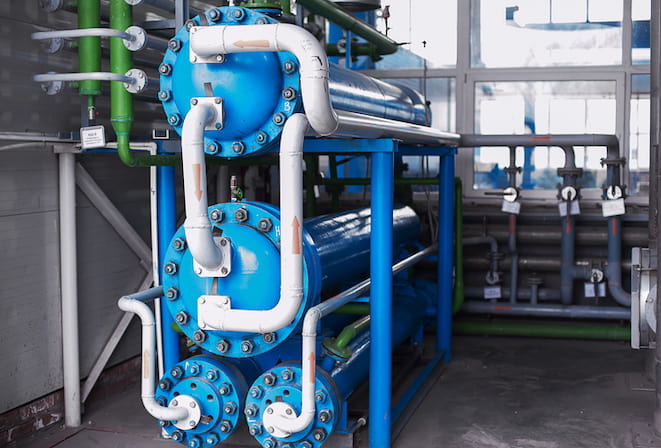
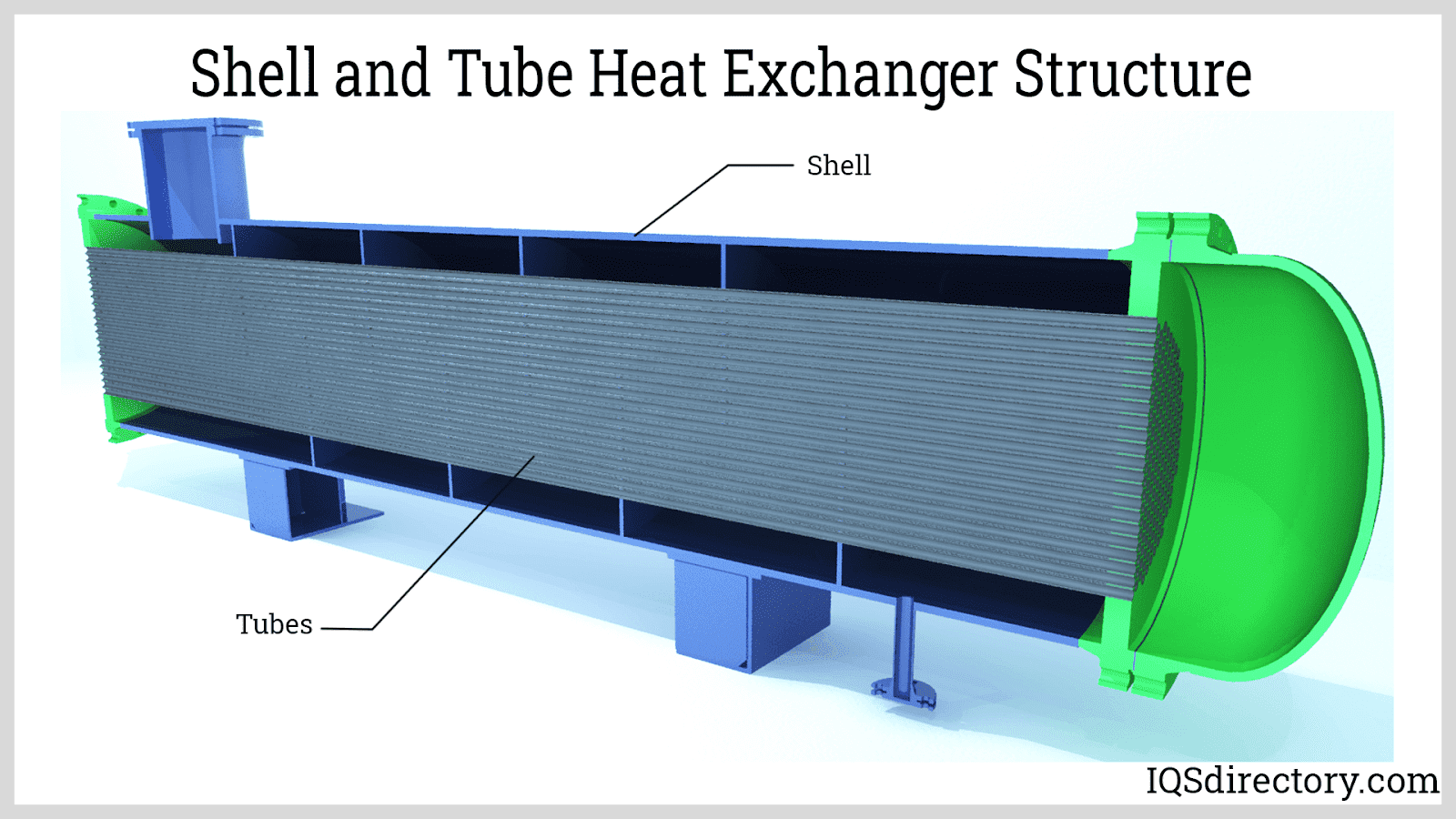
Effective Heat transfer systems are equally crucial in the food and beverage handling market, where keeping suitable temperature levels is essential for food security and top quality. These systems play a crucial function in processes such as sanitation, pasteurization, and cooking, ensuring that items are secure for consumption and maintain their nutritional worth. Heat exchangers, as an example, effectively move Heat in between liquids, enhancing power usage while reducing temperature variations. In addition, refrigeration systems are fundamental for maintaining perishable things and expanding life span. The option of Heat transfer technology directly impacts operational effectiveness and item honesty, making it crucial for food and beverage suppliers to select the appropriate systems tailored to their particular handling needs. This careful selection ultimately adds to customer satisfaction and food safety and security.
A/c and Environment Control
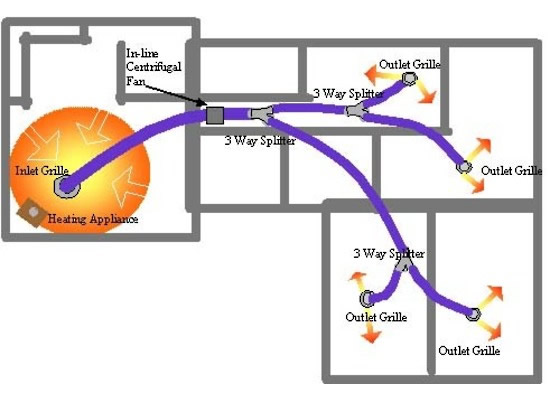
While numerous sectors depend on Heat transfer systems for effectiveness, HVAC (Home Heating, Ventilation, and Cooling) plays a crucial role in maintaining interior climate control across numerous setups. These systems use Heat transfer principles to control temperature level, humidity, and air high quality, making certain convenience and safety in property, business, and commercial settings. Appropriately made HVAC systems enhance power effectiveness, visit our website minimize operational costs, and decrease environmental effect. In commercial structures, for circumstances, efficient climate control adds to staff member performance and consumer satisfaction. In industrial applications, cooling and heating systems help maintain perfect conditions for devices procedure and item preservation. Choosing the ideal Heat transfer system is important for meeting details environment control needs and achieving overall system performance.
Examining Energy Sources for Heat Transfer Systems
In evaluating power resources for Heat transfer systems, a comparison of eco-friendly power choices and nonrenewable fuel source factors to consider is important. Renewable resources, such as solar and wind, deal lasting choices that can lower environmental influence. Alternatively, nonrenewable fuel sources check here stay common due to their well established facilities and energy density, motivating a cautious assessment of both alternatives.
Renewable Resource Options
Fossil Fuel Considerations
Evaluating nonrenewable fuel source considerations is necessary for the efficiency and sustainability of Heat transfer systems. Nonrenewable fuel sources, such as all-natural gas, oil, and coal, are standard energy resources that supply considerable Heat output, making them popular selections for domestic and commercial applications. Nonetheless, their ecological impact, including greenhouse gas exhausts and source exhaustion, elevates issues. When selecting a warm transfer system, it is important to analyze the schedule, price, and regulatory aspects connected with these fuels. Furthermore, the performance of nonrenewable fuel source systems must be thought about, as greater efficiency can minimize some environmental disadvantages. Inevitably, a well balanced approach considering efficiency and sustainability can assist decision-makers towards one of the most appropriate Heat transfer option for their particular demands.
Aspects to Consider When Picking a Warmth Transfer System
Picking an appropriate Heat transfer system needs mindful factor to consider of different variables that can significantly affect efficiency and performance. One crucial element is the operating temperature variety, which determines the materials and layout suitable for the application. Additionally, the kind of liquid utilized in the system-- whether gas or liquid-- influences Heat transfer performance and compatibility. The system's size and capacity have to align with the specific requirements of the procedure to prevent inefficiencies. Power resource accessibility is also necessary, influencing operating prices and sustainability. The setup environment, including area restrictions and accessibility for upkeep, plays a considerable function in system selection. Ultimately, regulative conformity and safety standards should be taken into consideration to assure the system fulfills all lawful demands.
Maintenance and Efficiency Optimization for Heat Transfer Equipments
Preserving Heat transfer systems is necessary for making certain optimal effectiveness and long life. Regular upkeep tasks, such as cleansing Heat exchangers and evaluating insulation, assistance prevent efficiency losses as a result of fouling and thermal linking. Additionally, keeping track of system specifications, consisting of pressure and temperature level, permits very early detection of anomalies, minimizing downtime and expensive fixings. Implementing a preventative maintenance schedule can enhance efficiency and prolong the lifespan of elements. In addition, upgrading to sophisticated control systems can improve operational efficiency by getting used to differing lots and conditions. By prioritizing maintenance and efficiency optimization, operators can accomplish reduced power intake, reduced functional costs, and enhanced general system reliability, inevitably bring about far better source use and a much more sustainable operation.
Future Patterns in Heat Transfer Technologies
As her response markets significantly focus on sustainability and power performance, future fads in Heat transfer modern technologies are established to undertake significant improvements. Technologies such as innovative products, including carbon nanotubes and nanofluids, promise enhanced thermal conductivity and effectiveness. Furthermore, the combination of renewable resource sources into Heat transfer systems is gaining momentum, advertising eco-friendly services. Smart modern technologies, consisting of IoT sensing units, are anticipated to revolutionize surveillance and control, making it possible for real-time information analysis for enhanced performance. Additionally, the growth of small and modular systems will certainly promote much easier installment and maintenance, dealing with varied applications. These improvements suggest a change in the direction of more lasting, effective, and versatile Heat transfer options, lining up with global energy objectives and environmental criteria.
Regularly Asked Questions
What Are the Environmental Impacts of Heat Transfer Equipments?
The ecological influences of Heat transfer systems can include greenhouse gas emissions, energy usage, and potential thermal contamination. Additionally, improper disposal of inefficiencies and materials can add to source exhaustion and environment disruption.
Exactly how Do I Calculate the Cost-Effectiveness of a Warmth Transfer System?
To calculate the cost-effectiveness of a warmth transfer system, one must examine initial expenses, operational expenditures, maintenance requirements, and power performance, comparing these aspects versus the expected lifespan and efficiency of the system.
Can Heat Transfer Systems Be Used in Residential Setups?
Heat transfer systems can certainly be utilized in household setups. They give effective home heating and cooling down solutions, making homes a lot more comfy while potentially decreasing energy costs. Their flexibility enables for numerous applications in domestic atmospheres.
What Security Rules Put On Heat Transfer Systems?
Safety policies for Heat transfer systems usually include standards on upkeep, installment, and operation. Conformity with neighborhood building regulations, producer specs, and market standards is vital to ensure effective and secure system performance in various applications.
Just How Do Various Materials Affect Heat Transfer Performance?
Transmission, for circumstances, involves the transfer of Heat via strong products, while convection refers to the activity of Heat within liquids. Understanding the principles of Heat transfer lays the groundwork for discovering the numerous types of Heat transfer systems offered. Heat exchangers, for circumstances, effectively move Heat between fluids, enhancing power use while minimizing temperature level changes. In examining power sources for Heat transfer systems, a comparison of eco-friendly energy alternatives and fossil fuel considerations is necessary. Metals, such as copper and light weight aluminum, conduct Heat properly, whereas insulators like rubber and glass slow down Heat flow.